Did you know that your permanent life insurance policy might be hiding one of the most flexible financial tools available today? Millions of Americans own whole life insurance but never tap into its full potential — or worse, they surrender valuable coverage just to access the money inside.
Think of your life insurance policy as a financial Swiss Army knife. It provides death benefit protection while also building cash value you can access during your lifetime. The best part? You don’t have to cancel your policy to use this money.
In this guide, we’ll walk you through exactly how to access your life insurance cash value without surrendering your policy — including policy loans, partial withdrawals, and collateral assignments — so you can make a more informed decision about the money that’s already yours.
TL;DR: Accessing Your Cash Value Without Surrendering
- Policy loans let you borrow against your cash value while it continues growing — no credit check, no tax hit
- Partial withdrawals permanently remove money but are tax-free up to your premium basis
- Collateral assignments use your policy as security for a bank loan, sometimes at lower rates
- Tax advantage: Policy loans are not considered taxable income under IRC 7702
- Key risk: A lapsed policy with an outstanding loan triggers a “phantom income” tax bill
Why Trust This Guide
This article is written and maintained by the team at Insurance & Estate Strategies — including Barry Brooksby (25+ years in financial services) and Steve Gibbs (estate planning attorney). As independent brokers with access to every major mutual carrier, we design cash value policies and process policy loans for clients every week. We’re ranked the #1 life insurance agency on Trustpilot with 280+ verified reviews.
Understanding Cash Value in Life Insurance
Cash value is the savings component built into permanent life insurance policies like whole life and universal life. A portion of your premiums goes toward building this cash value, which grows tax-deferred over time through guaranteed interest and potentially dividends (depending on your policy type and carrier).
This cash value belongs to you, the policyholder, and represents an asset you can access during your lifetime. Term life insurance, by contrast, has no cash value component — it’s pure death benefit protection that expires when the term ends.
How quickly your cash value grows depends on how the policy is designed. A traditional whole life policy builds cash value slowly in the early years, while a policy structured with paid-up additions (PUAs) can have accessible cash value within the first year. Understanding this distinction matters because it determines how soon you can actually use the strategies below. For a visual comparison, see our whole life insurance cash value chart.
Three Ways to Access Your Cash Value Without Surrendering
1. Policy Loans: Borrowing Against Your Cash Value
Policy loans are the most popular method for accessing cash value without surrendering your coverage — and for good reason. When you take a policy loan, you’re borrowing money from the insurance company using your cash value as collateral. The insurance company doesn’t actually remove your cash value. It remains in your policy, continuing to earn interest and potential dividends.
Here’s what makes policy loans different from any other type of borrowing:
- You pay interest on the loan, typically between 5–8% depending on the company and policy type
- There are no credit checks, application processes, or qualification requirements
- The loan doesn’t appear on your credit report and doesn’t affect your credit score
- You set the repayment schedule — monthly, annually, or never (though unpaid loans reduce the death benefit)
- Most companies process loan requests within 5–7 business days
This creates a unique financial advantage: your entire cash value continues earning interest and dividends even while you’re using some of it elsewhere. With a properly structured whole life policy from a non-direct recognition company, you earn the same dividend rate on your full cash value regardless of outstanding loans. Few other financial vehicles offer this kind of uninterrupted compound growth.
2. Partial Withdrawals: Taking Out Some Cash Value
Unlike loans, partial withdrawals permanently remove money from your cash value. Once withdrawn, the money cannot be returned to the policy.
- Withdrawals up to your “basis” (the total premiums you’ve paid) are generally tax-free
- Withdrawals exceeding your basis are typically taxed as ordinary income
- Your death benefit is usually reduced by the withdrawal amount — sometimes by more than what you took out, depending on the policy
- There are no interest charges since you’re not borrowing — you’re taking your own money
Withdrawals tend to make sense when you don’t intend to replace the funds, when you’re older and no longer need the full death benefit, or when you want to avoid ongoing interest charges altogether. However, because withdrawals permanently reduce both your cash value and your policy’s future growth potential, most policyholders find loans to be the stronger strategy — especially if the goal is long-term wealth building.
3. Collateral Assignment: Using Your Policy as Loan Security
A less common but sometimes advantageous option is collateral assignment. Instead of borrowing from the insurance company, you assign your policy as collateral for a loan from a bank or other financial institution.
- The lender has a claim only up to the amount of the outstanding loan
- Your beneficiaries receive any remaining death benefit if you pass away
- Your cash value continues growing while being used as security
- This can sometimes offer lower interest rates than policy loans, depending on current market conditions and your credit profile
Collateral assignments are particularly common in SBA loan arrangements and business financing where a bank requires security beyond the business assets. The key advantage is that your cash value keeps compounding while simultaneously serving as collateral for external financing.
Free Download: The Self-Banking Blueprint
Learn how a properly structured whole life policy can function as your own private banking system — and why the wealthy have used this strategy for generations.
Policy Loan vs. Withdrawal: Which Should You Choose?
| Feature | Policy Loan | Partial Withdrawal |
|---|---|---|
| Impact on Cash Value | Remains intact and growing | Permanently reduced |
| Death Benefit Impact | Reduced only if unpaid at death | Immediately and permanently reduced |
| Tax Treatment | Generally tax-free (IRC 7702) | Tax-free up to basis, then taxable |
| Ongoing Costs | Interest charges (typically 5–8%) | None |
| Can You Restore the Funds? | Yes — repay loan to fully restore | No — permanently removed |
| Compound Growth | Full cash value keeps compounding | Only remaining balance compounds |
| Best For | Long-term wealth building, investment opportunities, those who want capital access without losing growth | Retirees reducing death benefit, one-time needs where replacement isn’t planned, avoiding interest charges |
Key Benefits of Accessing Cash Value
Tax-Free Liquidity
Unlike 401(k) withdrawals or traditional loans, policy loans are not considered taxable income by the IRS (under IRC 7702). This creates a powerful tool for accessing capital without increasing your adjusted gross income — which means it won’t push you into a higher tax bracket, trigger Medicare IRMAA surcharges, or affect Social Security taxation thresholds.
Uninterrupted Compound Growth
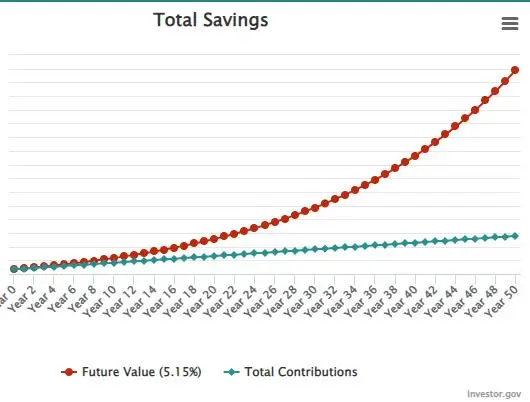
One of the most powerful — and often misunderstood — benefits of policy loans is that your entire cash value continues to grow through true compound interest, even while you have an outstanding loan. Unlike a 401(k) loan or a savings account withdrawal, where accessing money means losing the growth on those funds, your policy’s cash value remains intact. You never lose the compounding effect on your full balance. This “double-duty” benefit — where your money works for you in two places simultaneously — is something virtually no other financial vehicle can offer.
No Qualification Requirements
There are no credit checks, income verification, or approval processes for policy loans. Your cash value is accessible when you need it, regardless of your current financial situation, employment status, or credit score. The money is yours.
Flexible Repayment
With no required monthly payments and the ability to set your own repayment terms, policy loans offer flexibility that traditional financing cannot match. You can pay monthly, annually, sporadically, or not at all — though we always recommend at least covering the interest to protect against policy lapse.
Privacy
Policy loans don’t appear on credit reports, don’t require disclosure of why you need the funds, and aren’t reported to anyone. This confidentiality is valuable for business owners, investors, and anyone who prefers to keep their financial moves private.
Potential Drawbacks to Consider
Impact on Death Benefit
Unpaid loans and withdrawals reduce the death benefit your beneficiaries will receive. If you die with a $500,000 policy and a $100,000 outstanding loan, your beneficiaries receive $400,000. Understanding what happens to cash value at death is critical for anyone using these strategies.
Interest Costs
Policy loans charge interest, typically between 5–8%, which compounds if not paid. With the best mutual carriers, the net cost can approach zero because the dividend rate and loan rate are structured to offset each other — but this depends entirely on the company and how the policy was designed.
Phantom Income Tax Risk
If your policy lapses with an outstanding loan, you face a tax bill on what the IRS calls “phantom income” — the difference between your loan balance and your premium basis. This can be devastating because you owe taxes on money you never actually received. Proper monitoring and at least interest-only payments prevent this.
Reduced Future Growth Potential (Withdrawals Only)
Withdrawals permanently reduce your cash value and, with it, the base on which future interest and dividends compound. If you’re considering a withdrawal, explore whether the reduced paid-up option might be a better alternative — it eliminates premiums while preserving a smaller death benefit and continued growth.
Strategic Uses for Your Cash Value
The flexibility of cash value access makes it useful across a range of financial situations:
Emergency fund alternative. Your policy’s cash value can serve as a secondary safety net for unexpected expenses — accessible in 5–7 business days without qualifying or explaining why you need it.
Major purchases. Finance vehicles, education expenses, or home improvements through policy loans rather than traditional financing, keeping control of the repayment terms.
Debt consolidation. Use policy loans to pay down high-interest debt, potentially saving on interest costs while maintaining insurance coverage and keeping your cash value compounding.
Investment opportunities. Access funds for business ventures or real estate investments without disrupting your long-term financial plan or triggering taxable events.
Retirement income. Create supplemental retirement income through systematic loans — tax-free distributions that don’t increase your AGI or affect Social Security benefits.
Case Study: Using Cash Value for an Investment Opportunity
Sarai, a 45-year-old professional, had accumulated $250,000 in cash value in her whole life policy over 15 years. When presented with an opportunity to invest in a promising business venture, she faced a dilemma: liquidate investments (triggering capital gains taxes), take a 401(k) loan (capped at $50,000 with mandatory repayment), or surrender her policy entirely.
Instead, Sarai chose a policy loan. She borrowed $200,000 at 5.5% interest, keeping her policy completely intact. Her full $250,000 in cash value continued earning dividends and interest as though she’d never touched it.
The investment yielded a 22% return within 18 months. Sarai repaid her policy loan with interest ($211,000 total) and retained the investment gains. Had she gone the conventional route — surrendering the policy or liquidating taxable investments — she would have lost the compounding on $250,000 permanently and owed taxes on the liquidation. Instead, she kept everything growing, accessed capital tax-free, and came out ahead on both sides of the transaction.
Key Takeaway
The real advantage isn’t just accessing capital — it’s accessing capital without losing the growth on your full cash value. This is the concept of opportunity cost recapture, and it’s what separates policy loans from every other financing method.
Tax Implications You Need to Understand
Policy Loans: Generally Tax-Free
Under IRC 7702, policy loans are not considered taxable income. The IRS treats them as personal loans secured by collateral — no different from a mortgage or car loan in terms of tax treatment. This creates a powerful tool for tax-free liquidity throughout your lifetime, and it’s one of the key reasons high-net-worth individuals use cash value life insurance as a tax-free bucket in their overall financial strategy.
Watch Out for MEC Status
If your policy is classified as a Modified Endowment Contract (MEC), the rules change. Loans and withdrawals from a MEC are taxable to the extent of gain in the policy (LIFO treatment — last in, first out). If you’re under 59½, you’ll also face a 10% penalty on the taxable portion. This is why policy design matters — a properly structured policy avoids MEC status entirely.
The Phantom Income Tax Trap
The biggest tax risk comes from policy lapse or surrender with an outstanding loan. If your loan balance plus accrued interest exceeds your premium basis at the time the policy terminates, the IRS treats the difference as taxable ordinary income — even though you never received a check. To avoid this:
- Monitor your policy values at least annually — request an in-force illustration
- Make at least interest-only payments on outstanding loans
- Ask your carrier about “over-loan protection riders” that prevent lapse when loans approach the cash value
- Consult with a tax professional before making significant withdrawals or allowing large loans to accumulate
The Strategic Approach: Using Your Policy as a Banking System
Everything above describes how to access cash value for one-time needs. But there’s a more systematic approach that takes these mechanics and turns them into a repeatable wealth-building process.
At its core, the strategy works like this: structure a dividend-paying whole life policy for maximum cash value growth, take policy loans for purchases or investments you would make anyway, implement disciplined repayment back to your policy, and repeat the cycle — building wealth within a tax-advantaged environment while maintaining control of every dollar.
The advantage is that your cash value never stops compounding. Unlike a savings account where withdrawing $50,000 means you lose the growth on $50,000, a policy loan leaves your full balance working for you. Over time, this difference compounds dramatically.
Some policyholders even direct their loan repayments into paid-up additions, which increases both the cash value and death benefit — potentially offsetting the loan’s impact and accelerating long-term policy performance.
Beyond the Basics: Volume-Based Banking
If the concept of using your policy as a banking system resonates — if conventional financial advice has left you sensing there’s a better way to build and protect wealth — you’re seeing what a growing number of sophisticated wealth builders already understand. The strategy described above is the foundation. The Self-Banking Blueprint takes it further, showing how volume and velocity of capital deployment separate those who merely own whole life insurance from those who use it as financial infrastructure.
Protecting Your Policy While Accessing Cash Value
Preventing Policy Lapse
A policy loan isn’t dangerous — an unmanaged policy loan is. To keep your policy in force while using its cash value:
- Monitor your loan-to-value ratio at least annually
- Make at least interest payments on outstanding loans
- Continue paying premiums on schedule — loans don’t replace premium obligations
- Understand your policy’s specific loan provisions (fixed vs. variable rate, direct vs. non-direct recognition)
- Request an in-force illustration annually to see the projected impact of your loans
Maximizing Growth During Repayment
When repaying policy loans, directing payments to paid-up additions (PUAs) — when available within your policy’s design — can help boost both cash value and death benefit, potentially offsetting the impact of loans and accelerating the wealth-building cycle.
Frequently Asked Questions
Can I take money out of my life insurance without canceling it?
Yes. If you have a permanent life insurance policy (whole life, universal life, or variable life) with accumulated cash value, you can access that money through policy loans, partial withdrawals, or collateral assignments — all without surrendering your coverage. Term life insurance does not build cash value, so this option is only available with permanent policies.
How much can I borrow against my life insurance?
Most insurance companies allow you to borrow up to 90% of your policy’s current cash value. The exact amount depends on your specific carrier and policy. Keep in mind that borrowing too close to your full cash value increases the risk of policy lapse, especially as interest accrues.
Is a life insurance policy loan taxable?
No — as long as your policy remains in force. Under IRC 7702, policy loans are not considered taxable income. However, if your policy lapses or is surrendered while a loan is outstanding, you may owe income tax on the amount that exceeds your premium basis. This is known as “phantom income” and can result in a significant unexpected tax bill.
What happens if I never pay back my life insurance loan?
If you never repay the loan, the outstanding balance plus accrued interest is deducted from your death benefit when you pass away. Your beneficiaries receive the remaining amount. The policy stays in force as long as your cash value exceeds the loan balance — but if the loan grows too large, the policy can lapse, triggering potential tax consequences.
Does borrowing from life insurance affect my credit score?
No. Policy loans are between you and the insurance company. They do not appear on your credit report, do not require a credit check, and have no impact on your credit score. This is one of the key advantages over traditional bank financing.
Can I use my life insurance cash value to pay off debt?
Yes. Many policyholders take policy loans to consolidate or pay down high-interest debt like credit cards, auto loans, or even mortgages. The advantage is that your cash value continues growing while the loan is outstanding, and you set your own repayment terms. The key is disciplined repayment so the strategy actually builds wealth rather than just shifting debt.
What’s the difference between a policy loan and a withdrawal?
A policy loan uses your cash value as collateral for a loan from the insurance company — your cash value stays intact and continues growing. A withdrawal permanently removes money from your cash value and reduces your death benefit. Loans can be repaid to restore full benefits; withdrawals cannot be reversed. For most wealth-building strategies, loans are the preferred method.
How long does it take to get money from a life insurance policy loan?
Most insurance companies process policy loan requests within 5–7 business days. Many carriers now offer online loan applications through your policy portal, which can speed the process. There’s no application to approve — if you have the cash value, the loan is yours.
Can I still get dividends if I have an outstanding policy loan?
This depends on your insurance company’s recognition method. Non-direct recognition companies pay dividends on your full cash value regardless of outstanding loans — your dividend is the same whether you owe $0 or $200,000. Direct recognition companies may adjust dividends on the loaned portion. This distinction matters significantly for anyone using their policy as a banking system.
What is phantom income on a life insurance policy?
Phantom income occurs when your policy lapses or is surrendered with an outstanding loan. The IRS treats the loan forgiveness as taxable income — even though you don’t receive a check. For example, if you have a $200,000 loan and $100,000 in premium basis, you’d owe income tax on $100,000. This is entirely preventable with proper policy monitoring and at least interest-only loan payments.
Can I use my cash value to pay my life insurance premiums?
Yes. Most permanent life insurance policies allow you to use accumulated cash value or dividends to cover premium payments. This can be helpful during retirement or temporary financial hardship. However, using cash value for premiums reduces your available balance and can impact long-term growth, so it should be a strategic decision rather than a default.
How is accessing cash value different from cashing out my policy?
Accessing cash value (through loans, withdrawals, or collateral assignments) lets you use the money while keeping your policy in force — your death benefit remains active, your cash value continues growing, and your coverage is maintained. Cashing out (surrendering) means you cancel the policy entirely, lose all future death benefit protection, and may owe surrender charges and taxes on any gains. Surrendering should be considered a last resort.
Next Steps
See What Your Policy Can Do
Whether you already own a cash value policy or you’re considering one, the next step is understanding what the numbers look like for your specific situation. Our Pro Client Guides will build a custom illustration around your age, health, income, and goals — showing you exactly how much cash value you can access, when, and what it means for your long-term financial picture.
- Custom Illustration: Projected cash value, death benefit, and loan capacity year by year
- Side-by-Side Comparison: Policy loans vs. your current strategy — 401(k), savings, home equity
- Honest Assessment: Whether this approach fits your timeline and financial situation
- Lifetime Coaching: Ongoing guidance to optimize your banking system as your situation evolves
- No Obligation: Complimentary session with zero pressure to purchase
One illustration with your own data is worth more than a hundred articles.
— Steve Gibbs, Estate Planning Attorney & Author of The Ultimate Asset